Introduction
San Diego, with its picturesque coastline and temperate climate, is a haven for residents seeking comfort in their homes. However, the need for effective air conditioning performance becomes paramount during scorching summer months. This article dives into The Role of Insulation in Effective AC Performance in San Diego Homes, exploring how proper insulation can significantly enhance your HVAC system's efficiency, reduce energy costs, and improve overall indoor comfort.
Why is Insulation Important for Air Conditioning?
Insulation acts as a barrier between your home's interior and the external environment, preventing unwanted heat transfer. When it comes to air conditioning systems, effective insulation ensures that cool air produced by your unit remains inside longer, maximizing efficiency and reducing the workload on your AC unit.
How Does Insulation Impact Energy Efficiency?
An insulated home retains cool air more effectively, leading to lower energy consumption. For instance:
- Less Workload: Your AC won't have to work as hard to maintain desired temperatures. Lower Energy Bills: Reduced energy use translates into lower monthly utility bills. Extended Equipment Life: Less strain on your system means fewer repairs and a longer lifespan for your HVAC equipment.
Types of Insulation Suitable for San Diego Homes
Not all insulation types provide equal benefits. Here are some common options:
1. Fiberglass Insulation
- Cost-effective and widely used. Not highly resistant to moisture—consider local climate conditions.
2. Foam Board Insulation
- Offers great thermal resistance. Ideal for exterior walls where space is limited.
3. Spray Foam Insulation
- Expands upon application, sealing gaps effectively. Provides excellent air sealing properties.
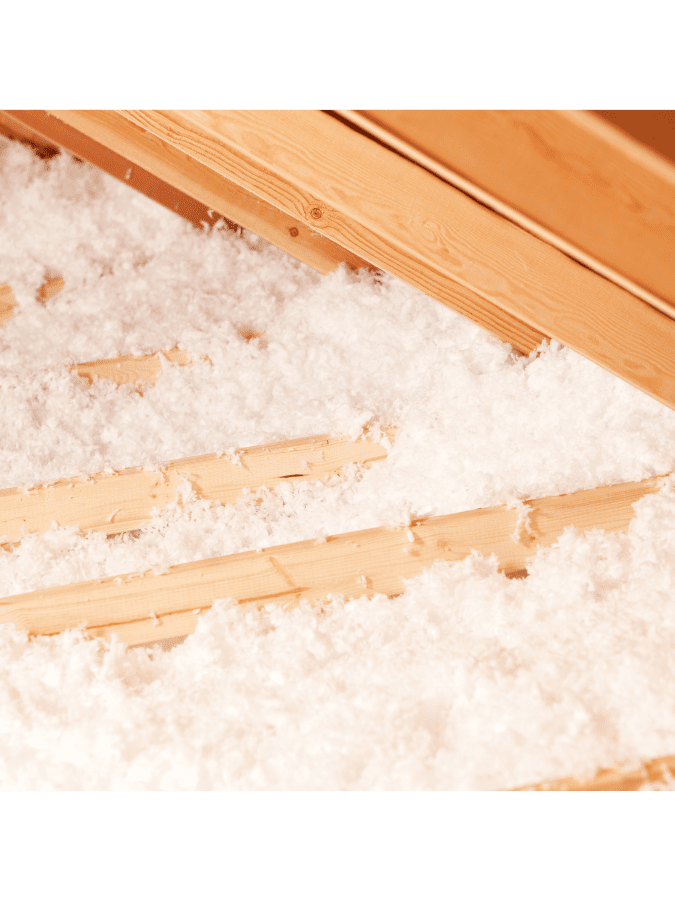
4. Cellulose Insulation
- Environmentally friendly; made from recycled paper products. Good at resisting airflow but can settle over time.
Evaluating Your Home’s Current Insulation
Before upgrading or adding insulation, it’s crucial to assess what you currently have. Here’s how:
1. Visual Inspection
- Check attic spaces, crawl spaces, and walls for visible gaps or wear.
2. Infrared Thermography
- Use infrared cameras to identify temperature discrepancies that indicate poor insulation.
The Importance of Proper Installation Techniques
Even the best insulation won't perform well if not installed correctly. Hiring a qualified HVAC contractor in San Diego can ensure that your insulation is properly fitted and sealed against leaks.
Common Mistakes to Avoid When Insulating Your Home
Here are some pitfalls homeowners encounter when installing insulation:
Ignoring Air Leaks: Sealing gaps around windows and doors is essential; otherwise, conditioned air escapes. Overstuffing Insulation: Too much insulation can compress existing materials and reduce their effectiveness. Neglecting Vents: Ensure vents remain open after installation; blocking them leads to airflow issues.The Role of Insulation in Effective AC Performance in San Diego Homes
As previously mentioned, effective insulation plays a crucial role in maintaining comfortable indoor temperatures while optimizing AC performance. A well-insulated home minimizes thermal bridging—the transfer of heat through conductive materials—and helps achieve an airtight environment that keeps cool air inside during the sweltering summer months.
Choosing the Right HVAC System for Your Home
When selecting an HVAC system suited for your property, consider:
- The size of your home The type of insulation present Local climate conditions
Consulting with the Best San Diego HVAC Company will help you find the right balance between comfort levels and energy efficiency.
Understanding R-Values: What You Need to Know
R-value measures an insulation material's ability to resist heat flow; higher values signify better insulating power.
| Type of Insulation | R-Value per Inch | |--------------------|------------------| | Fiberglass | 2.9 – 3.7 | | Foam Board | 4 – 6 | | Spray Foam | 6 – 7 | | Cellulose | 3.1 – 3.8 |
A thorough understanding of R-values will guide you in selecting appropriate materials based on specific areas needing insulation within your home.
Maintaining Your HVAC System for Optimal Performance
Regular maintenance keeps your AC running smoothly and efficiently:
Change filters regularly (every 1–3 months). Schedule annual inspections with an HVAC contractor in San Diego. Clean ductwork every few years to prevent clogs affecting airflow.Signs You Need AC Repair in San Diego
Sometimes even the best efforts can lead to issues requiring professional intervention:
- Inconsistent cooling throughout the house Unusual noises coming from the unit Increased energy bills despite no changes in usage patterns
If you notice any signs like these, it might be time to seek out reliable ac repair in san diego services before problems escalate further!
The Benefits of Professional Installation Services
Opting for professional installation offers numerous advantages:
- Expertise: Experienced technicians understand local building codes and regulations. Time-Saving: Professionals complete installations faster than DIY methods. Warranty Protection: Many manufacturers require professional installation for warranty validity.
Homeowner Tips for Improving Indoor Comfort with Insulation
Simple strategies can enhance comfort levels without breaking the bank:
Use curtains or shades during peak sunlight hours. Seal off unused rooms to concentrate cooling efforts where they're needed most. Invest in a smart thermostat that adjusts temperatures according to occupancy patterns.Environmental Impact of Properly Insulated Homes
Beyond personal comfort benefits lies an environmental responsibility; well-insulated homes consume less energy overall—lowering carbon footprints significantly over time!
Frequently Asked Questions (FAQs)
Q1: What’s the best type of insulation for my San Diego home?
It depends on various Air Plus Heating & Cooling factors like budget constraints, area needing coverage, climate considerations; consulting professionals helps pinpoint ideal options.
Q2: How often should I replace my home’s insulation?
Generally speaking—every 15–20 years unless significant damage occurs due to pests or moisture.
Q3: Can I insulate my attic myself?
While doable—professional guidance ensures correct application techniques yield maximum benefits.
Q4: Will new insulation really lower my cooling costs?

Q5: How does humidity affect my home's insulating capabilities?
High humidity levels lead moisture buildup hence reducing effectiveness; select moisture-resistant products accordingly!
Q6: Is it worth investing more upfront into higher R-value materials?
In many cases yes—as long-term savings gained through reduced energy bills outweigh initial costs!
Conclusion
In conclusion, understanding The Role of Insulation in Effective AC Performance in San Diego Homes cannot be overstated—it’s vital for enhancing comfort levels while cutting down unnecessary expenses associated with heating/cooling systems over time! From choosing suitable types tailored specifically toward regional standards through expert installation services offered by reputable companies like Air Plus Heating & Cooling—taking steps now will ensure lasting benefits down line! Remember regular maintenance checks also play pivotal roles ensuring optimal functioning throughout seasons ahead too!
For all your heating and cooling needs or inquiries about ac repair in san diego reach out today!